The sand, the surf, and a happy dog pulling you toward the water. That image sells itself, but the reality of a relaxed, safe beach walk takes work. Virginia Beach offers wide shores, shifting tides, and plenty of distractions: gulls, other dogs, beachgoers, and the roar of the Atlantic. As a trainer who has spent seasons working with local owners and their dogs, I want to walk you through a practical approach to leash training that makes beach outings enjoyable instead of stressful. I will show what to prioritize, how to practice, and what to expect at each stage.
Why the beach changes everything A city sidewalk and an open beach demand different skills. On pavement, your dog learns predictable footing, familiar smells, and relatively narrow sightlines. At the beach, wind carries scent in surprising directions, motion is constant, and stimuli arrive from a radius rather than a corridor. A dog that heels perfectly on a neighborhood walk may bolt for a frisbee at the first whiff of shorebirds. Recognizing that difference is the first step toward reliable leash manners.
Start with mindset and goals Decide what a successful beach walk looks like for you. Do you want a short, peaceful stroll where your dog stays close? Do you want freedom to let them explore but return reliably on command? Or are you preparing for off-leash access in designated areas? Clarity here changes your training plan. For most owners in Virginia Beach, the immediate aim should be control under distractions: loose-leash walking, reliable recall, and calm behavior when other dogs or people approach.
A practical equipment checklist Use gear that promotes communication and safety. The wrong tools create friction between dog and handler or allow bad habits to cement.
- A sturdy 6-foot leash made from webbing or leather, with a comfortable handle and a secure clasp. A front-clip harness for dogs who pull, or a flat collar with ID tags for dogs who already walk calmly. High-value treats you only use on training walks, portioned into pea-sized pieces. A lightweight long line (15 to 30 feet) for recall practice in low tide areas where off-leash is allowed. A clicker or brief verbal marker like yes, if you use marker training techniques.
Why these items matter: a 6-foot leash gives you room to reset attention without losing control, a front-clip harness redirects forward momentum without pain, and the long line bridges the gap between on-leash restrictions and true off-leash reliability. Treats provide immediate feedback, essential on a beach where praise alone often gets lost in wind and surf.
Progressive training steps Training for the beach is a sequence, not a single lesson. Work each stage to the point your dog is reliable in low-distraction settings before adding complexity. Below are five progressive steps that have proven effective with clients here.
- Teach a solid recall in a fenced or quiet area. Use short sessions, lots of reward, and a clear release. Practice until the dog comes reliably from moderate distance. Shape loose-leash walking on familiar routes. Reward for a soft leash, change direction frequently, and keep sessions under 10 minutes early on. Introduce controlled distractions at home, then move to busier parks. Reward choices to look at you when birds or squirrels appear. Add the long line near quiet beach areas during low tide. Let the dog explore while you reinforce recall and returns to heel. Simulate common beach scenarios: joggers, dogs running off-leash, beach umbrellas. Rehearse calm responses and reward steady focus.
Those steps are not rigid. A very food-motivated dog may progress faster through recall but struggle with leash reactivity. A confident, low-drive dog might walk politely but ignore recall. Match the pace to the dog's temperament and history.
How to teach recall that works at the shore Recall fails most often because it was practiced under the wrong conditions or without predictable consequences. At the beach, a good recall is non-negotiable. Begin indoors or in a fenced yard. Keep the dog's name and a single recall cue for life. Training sessions should be playful, short, and always end with success. Practice coming to you while you kneel, squat, or back away to make yourself interesting.
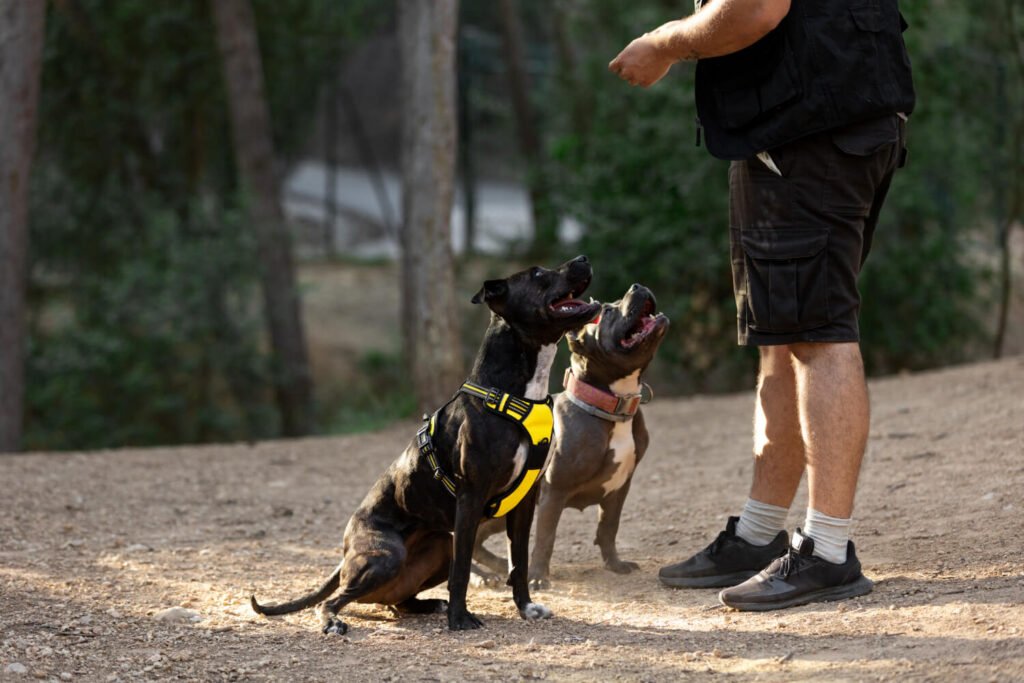
Transfer recall to distraction gradually. Use the long line at the beach, and start during quiet hours. When your dog comes, reward with treats and an allowed reward: a quick release to sniff the sand or three minutes to chase a toy. Never call the dog to punish. If mistakes happen, use the long line to guide the dog back and practice more often.
Dealing with pulling and lunging Pulling is mechanical and habitual. To change it, adjust expectations and rearrange consequences. If your dog reaches the end of the leash and is rewarded with access to what they wanted, the behavior strengthens. A simple and effective countermeasure is reward-based redirection. When the leash becomes tight, change direction and lure the dog into a loose-leash position, then reward. Timing matters. Reinforce the brief moments of slack leash rather than waiting for long stretches of compliance.
For persistent pullers, a front-clip harness reduces momentum and gives you more influence over the dog's shoulders. Avoid prong or choke tools for beach walking; they create stress and can injure a dog on unstable sand. If your dog lunges at other dogs, address the underlying motivation. Is it excitement, fear, or frustration at being restrained? Each requires different work: desensitization and counterconditioning for fear, increased structure and outlets for excess energy when it is excitement.

The role of conditioning and impulse control Impulse control is the quiet skill that underpins a good beach walk. Simple games like wait at thresholds, leave-it exercises with shells or food on the ground, and short stays trusted dog trainer near me build the capacity to delay gratification. I recommend daily five-minute impulse sessions that start calm and progressively add mild distractions. The payoff is big. A dog that can wait politely at an entry point will not barrel past you into a crowded stretch of shoreline.
Scaffold exposure to beach-specific cues. Walk the dog past areas where gulls gather but at a distance that allows the dog to remain composed. Gradually close that gap over multiple sessions. Reward heavily for calm observation rather than chasing. This is slow work, but if you want a dog that respects birds and other wildlife, patience here is essential.
Managing beach etiquette and safety Virginia Beach has rules and changing seasonal restrictions. Know the leash laws for the section you visit, and avoid crowded areas during peak times. Carry water for your dog, shade if you intend to stay, and protect paws from hot sand and shells. Be mindful of stingrays at shallow tide pools and sudden drop-offs under the water. Clean up after your dog, and keep interactions with strangers respectful. A well-trained dog is a welcome guest; an unruly one limits the places you can go.
Common problem scenarios and solutions Scenario: The dog spooks at a kite or umbrella. Solution: Use distance, mark calm behavior, and reward. If the dog is fearful, offer a path away from the trigger and work in increments toward tolerance.
Scenario: The dog runs off to play with other dogs. Solution: Practice recall from dog-dense areas on a long line first. Keep play sessions brief and supervised until the dog responds reliably to your call.
Scenario: The dog ingests dead fish or dangerous debris. Solution: Teach a strong leave-it and reinforce it relentlessly in training. Use practice with low-value items, then progress to more tempting objects until the dog consistently disengages.
Real-world example A client named Maria brought a one-year-old terrier mix who lunged at seabirds and refused to return when called. We began in a fenced yard with recall and impulse work, then shifted to sunrise beach sessions when few people were present. Using a long line and a front-clip harness, we practiced recall timed with joyful rewards. We spent two weeks focusing on short, successful recalls, then graduated to controlled freedom in a quiet cove. Within a month, the dog reliably returned 90 percent of the time and could be worked around birds without barreling off. Maria rehearsed the behaviors daily and adjusted expectations; the dog did the rest.
Trade-offs and realistic timelines Expect incremental progress rather than overnight miracles. A well-motivated adult dog with prior obedience might be beach-ready in a few weeks. A dog with a history of roaming or a strong predatory drive may require months and careful management. Time investment pays off, but if your schedule cannot support consistent practice, consider group classes or hiring a professional. Coastal K9 Academy offers local, structured sessions tailored to beach scenarios if you prefer guided help. Hiring a trusted dog trainer near me in Virginia Beach VA can compress months of trial and error into a few focused weeks.
When to get professional help If your dog shows aggression toward people or other dogs, persistent fear responses, or unpredictable behavior at distance, seek professional input. A short consultation with an experienced trainer can identify triggers and provide a plan. Professionals can simulate beach distractions safely, employ graduated exposure, and help you read your dog's stress signals before situations escalate.
Practicing during different seasons and tides Tides matter. Low tide exposes more shoreline and allows long-line practice with room to recall and retrieve. High tide compresses space and raises stress in excited dogs. Wind direction changes scent drift; a northerly wind can carry a dog's scent toward others and make greetings more intense. Summer brings crowds and dogs running off-leash. Winter offers quieter beaches but colder water and different wildlife. Adjust challenges to the season. Use quieter months to build core skills and busier times to test reliability.
Respecting wildlife and local regulations Virginia Beach enforces seasonal leash rules in many stretches and bans dogs from the boardwalk in summer hours. Even if an area allows dogs, avoid disturbing nesting birds or wildlife. A reliable leash-trained dog reduces harm to local ecosystems and keeps beach access open for all. If you want off-leash freedom, successful training and local knowledge are prerequisites, not luxuries.
How to maintain gains Training is not a single project; it is ongoing maintenance. Keep short training pulses in your weekly routine: a five-minute impulse game, a recall practice session, and a leash-walking check-in. Rotate rewards to keep value high when needed, and avoid overusing treats so praise retains power. When your dog meets new thresholds, up the ante by practicing with new distractions.
Bringing children, multiple dogs, or a stroller Multitasking changes leash dynamics. Children may inadvertently encourage your dog to rush toward them and may not follow instructions reliably. When walking with kids, maintain conservative management: shorter leashes, closer attention, and pre-walk briefings about boundaries. With multiple dogs, one pulling dog can teach others to pull. Work each dog individually on core skills before attempting group walks. Strollers alter your line of motion; practice passing crowds with the stroller in a controlled setting before hitting busy boardwalks.
Closing argument: invest in reliability The beach should be a place of calm, shared enjoyment. Training converts a chaotic trip into a predictable pleasure. A dog that listens near water, comes when called, and chooses you over every passing temptation is a dog you can take anywhere. You should expect progress, not perfection, and plan accordingly. If you want to accelerate the journey, seek local support. Search dog training near me or trusted dog trainer near me in Virginia Beach VA and you will find instructors who know tides, permits, and practical beach realities. Coastal K9 Academy is one of the local resources that tailors lessons to shore-specific challenges.
If you take one thing from this, let it be this: start slow, reward generously, and practice the exact behavior you want on the beach in contexts that approximate the beach. Train recall like your dog's life depends on it, because near water, unpredictability can be dangerous. With deliberate practice and the right tools, beach walks in Virginia Beach can become the restorative, joyful outings they are meant to be.
Coastal K9 Academy
2608 Horse Pasture Rd, Virginia Beach, VA 23453
+1 (757) 831-3625
[email protected]
Website: https://www.coastalk9nc.com